
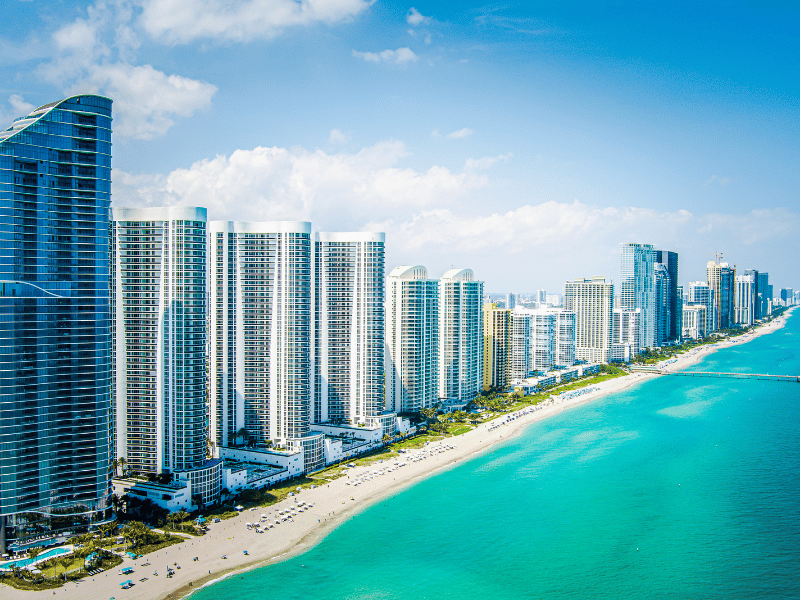
Imagine a city where the sun kisses the ocean, and history dances in the streets. Welcome to Miami, fondly known as the Magic City. It’s not just a name; it’s a reflection of its miraculous transformation from a sleepy mangrove swamp to a bustling metropolis. Let’s embark on a journey through Miami’s colorful past, its present vibrancy, and what makes it a truly magical place.
From Mangroves to Metropolis: The Birth of Miami
“Once upon a time” doesn’t just belong in fairy tales. It fits Miami’s story too, starting in the late 1800s.
The Founding Fathers (and Mothers!)
- Julia Tuttle: Often called the Mother of Miami, her vision was the spark that lit the Magic City’s fire.
- Henry Flagler: This railroad tycoon extended his Florida East Coast Railway to Miami, turning the area into an accessible gold mine.
Incorporation and Early Growth
- 1896: A Historic Year: With a wave of her hand (and some convincing of Flagler), Julia Tuttle saw Miami incorporate in 1896, making it the only major US city founded by a woman. Talk about girl power!
The Roaring Twenties and Miami’s Boom
Fast forward to the 1920s, and Miami was all the rage – literally!
The Real Estate Boom
- Land Ahoy!: Everyone wanted a piece of Miami. The real estate market boomed, turning the city into a hotbed of development and architecture.
The Influence of the Art Deco Movement
- Aesthetic Wonder: Miami Beach became a canvas for Art Deco architects, painting the town with pastel colors, neon lights, and geometric patterns.
Post-War Era and the Cuban Influence
After World War II, Miami’s story took a turn with a Cuban twist.
The Cuban Exodus
- A Cultural Melting Pot: The 1959 Cuban Revolution brought a wave of Cuban immigrants to Miami, infusing the city with rich Hispanic culture, cuisine, and music.
Modern Miami: A Global Tourist Destination
Today, Miami is not just a city; it’s a vibe.
The Magic of Miami Beach
- Sandy Shores and Nightlife Galore: From the iconic South Beach to the historic Art Deco District, Miami Beach is where the world comes to play.
The Rise of Wynwood and the Art Scene
- From Warehouses to Wow!: Wynwood’s transformation from an industrial district to a trendy art hub is nothing short of magic.
The Culinary Delights of Miami
Foodies, rejoice! Miami’s culinary scene is a melting pot of flavors.
A Taste of the World
- Cuban Sandwiches to Stone Crabs: Miami’s food is as diverse as its people, offering everything from Cuban delicacies to fresh seafood.
FAQs: Your Curiosities Uncovered
- Q: What’s the best time to visit Miami? A: Miami shines year-round, but aim for November to April for cooler weather.
- Q: Is Miami just about beaches and parties? A: Nope! Culture, history, art, and nature adventures are waiting for you.
- Q: Can I explore Miami without a car? A: Absolutely! Public transportation, bikes, and good ol’ walking will do the trick.
The Endless Charm of Miami, the Magic City
So, there you have it – a city that rose from the swamps to become a symbol of dreams and diversity. Miami, the Magic City, isn’t just a destination; it’s an experience. A place where history is celebrated, cultures converge, and every sunset promises a new adventure. Whether you’re a history buff, a beach bum, an art aficionado, or a foodie, Miami has a bit of magic for everyone. Come for the sun, stay for the stories, and leave with memories that sparkle like the Magic City itself.


Did anyone else notice the article barely mentioned Native American history in Miamis early growth? Seems like a major oversight.
Interesting read! But did the article address the influence of the Art Deco movement on Miamis architecture during the Roaring Twenties?
Miamis growth from mangroves to metropolis is impressive, but did the founding fathers really anticipate such a boom during the Roaring Twenties?
Interesting read! But isnt it about time we dig deeper into the role of native tribes in Miamis early growth?
Isnt it fascinating how Miami transitioned from mangroves to metropolis? Just imagine what the founding fathers and mothers would think now!
So, Miamis history is really a mix of sun, sea, and founding fathers. Wonder how the Roaring Twenties impacted its growth?
Interesting read! But, did Miamis rapid growth consider the potential environmental impacts on local mangroves? Just a thought!
Intriguing read! But, did the article fully capture the role of the Tequesta tribe in Miamis early history?
Miamis history is as vibrant as its scenery. But did the roaring 20s really pave the way for its cultural diversity?
Interesting read! But how did Miami manage to preserve its natural beauty amidst rapid urbanization? Any thoughts?